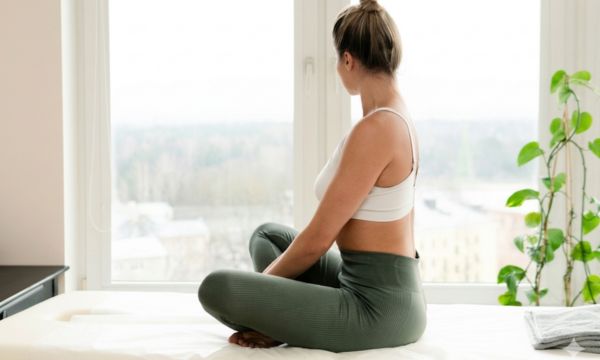
Your home workouts can start today, using only what you already have.
Ad
Have you ever thought about starting home workouts, but always feel like you need a gym, expensive equipment, or an elaborate plan to make it work?
The truth is that many people delay getting started because they believe they need “ideal conditions.”
Ad
Home workouts are exactly the opposite of that: they work because they adapt to your reality.
It doesn’t matter if you have 20 free minutes, a mat in the living room, or just a small space between the couch and the table. What makes the difference is consistency, not perfection.
Ad
And that’s exactly what you’re about to discover.
How to Build your Home Workout Routine
Before jumping into random exercises from an online video, it’s worth having a simple structure.

An effective home workout routine needs three things:
- Clarity
- Frequency
- Balance
You can start by training three times a week. Monday, Wednesday, and Friday already create a rhythm. If you’re starting from scratch, 20 to 30 minutes per session is enough.
Another important tip is to set a fixed time. The body loves predictability. When you train at the same time, you create a consistent habit.
If possible, choose a specific space in your home. It doesn’t need to be big. But when you associate that space with training, your mind more easily shifts into “movement mode.”
With all that in mind, let’s begin!
Warm Up to Prepare your Body
Skipping warm up is a classic mistake in home workouts. It feels like a waste of time… until everything starts to hurt.
A warm up activates muscles, joints, and the cardiovascular system. It prepares your body for effort.
You can start with:
- 2 minutes of light jumping jacks, just to get circulation going.
- Shoulder and arm rotations to loosen the upper body and relieve possible tension.
- Alternating knee lifts, keeping a comfortable pace and upright posture.
- Circular hip movements to mobilize the lower back area.
The goal is not to get tired. It’s to activate.
When you warm up properly, you improve performance and reduce the risk of injury. Plus, the warm up already starts releasing that feeling of energy flowing.
Full Body Workout
If you’re just starting, working your entire body is an excellent strategy. It builds a foundation and improves overall endurance.

A simple model of home workouts for the whole body may include:
- Squats
- Push ups (on your knees if needed)
- Plank
- Alternating lunges
- Basic crunches
Do 3 sets of 10 to 15 repetitions.
Training the whole body increases calorie burn, strengthens multiple muscle groups at the same time, and optimizes your time.
And here’s something important: don’t compare your pace to anyone else’s. Your body has its own timeline of progress.
Exercises for Legs and Glutes
Your legs support your body all day, even when you don’t notice it. Strengthening them improves balance, helps with posture, and increases physical endurance.
In home workouts, you can focus on:
- Traditional squats
- Sumo squats
- Alternating lunges
- Hip raises (glute bridges)
- Wall sit
These exercises work large muscle groups, stimulating strength and definition.
If you want to increase intensity, you can:
- Reduce rest time
- Hold the movement for a few seconds
- Gradually increase repetitions
Progress doesn’t need to be fast. It needs to be consistent.
Exercises for Arms and Abs
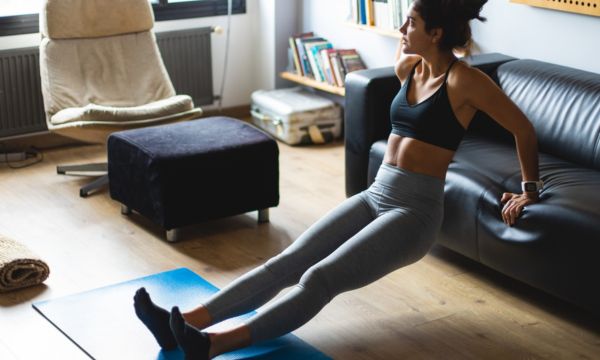
Many people believe you can only strengthen your arms using dumbbells or gym machines. But that’s not true. Your own body weight already provides excellent stimulus.
Home workouts using just body weight can be extremely effective, especially when you focus on good posture, mindful movement, and regular practice.
You can include:
- Push ups
- Front plank
- Side plank
- Chair supported triceps dips
- Bicycle crunches
The secret is in controlled execution. Slow movement activates more muscle fibers than rushing through repetitions without control.
And remember: your abs are your center of stability. A strong core protects your spine and improves performance in all other exercises.
Cardio to Burn Energy
Cardio works as an essential complement in home workouts, especially if you want to improve endurance and feel more energized daily.
It contributes to physical conditioning, increases stamina, and stimulates the release of endorphins, known as the feel good hormone.
You can try:
- Jumping jacks
- Running in place
- Burpees
- Side jumps
- Mountain climbers
If you want something more dynamic, try the 30 seconds intense + 30 seconds rest format.
Besides improving your cardiovascular system, cardio helps reduce accumulated stress from the day.
Stretching and Recovery
The workout doesn’t end with the last repetition. That’s actually when an essential part of body care begins.
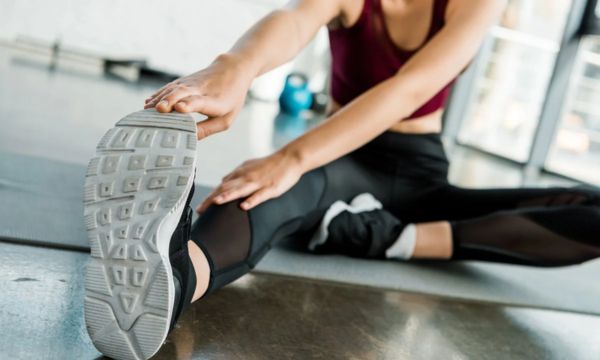
Stretching supports muscle recovery, improves flexibility, and helps reduce accumulated tension during exercise, leaving your body looser and ready for the next session.
Give attention to:
- Hamstrings
- Calves
- Shoulders
- Back
- Hips
Take deep breaths while stretching. This moment also helps slow down your nervous system.
In home workouts, this final care makes a difference in consistency. When your body recovers better, you maintain your rhythm.
Common Mistakes when Training at Home
Training at home is practical, but it requires responsibility. Some common mistakes are:
- Starting too intensely, without giving your body time to adapt and understand the new rhythm.
- Not respecting rest days, forgetting that muscle recovery happens during breaks.
- Training without focus, doing movements on autopilot and without attention to proper form.
- Skipping the warm up, increasing the risk of discomfort or minor injuries.
- Giving up due to lack of immediate results, ignoring that consistency matters more than speed.
In home workouts, discipline is the real difference.
It’s better to train 25 minutes three times a week for months than to do exhausting workouts for one week and stop. Results appear when there is regularity.
Conclusion: Your Movement Starts Now
You don’t need a gym to start. You need a decision.
Home workouts are accessible, adaptable, and effective. With just a few exercises and consistency, you’ll already feel a difference in your energy, posture, and even mental clarity.
Start simple. Progress gradually. Respect your pace.
And if you want to keep discovering practical ways to take care of your body and health in a light and sustainable way, explore our other content.
Your well being doesn’t start tomorrow, it starts with the next choice you make today.