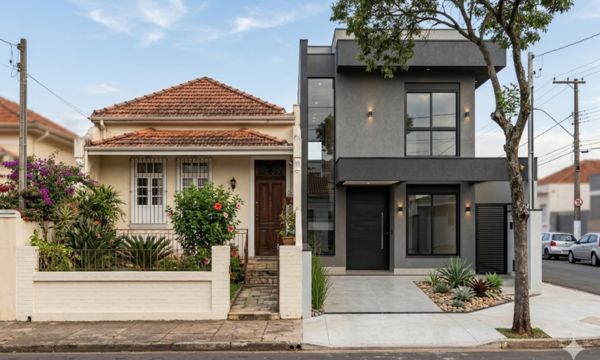
A house inspection can help you avoid unpleasant surprises before closing the deal.
Ad
Before falling in love with a property, doing a complete house inspection can prevent many future problems.
Not everything that looks perfect at first glance is actually in good condition.
Looking at each point with attention helps identify hidden risks and allows you to make a much safer and more conscious decision.
👉 Because buying on impulse may feel quick and exciting… but dealing with problems later can become very expensive and stressful.
Home Structure: What to Check First
The structure is the first point that should be analyzed in a complete and well executed house inspection.

Carefully observe walls, ceilings, and floors, looking for cracks, leaks, or deformations that may indicate deeper structural issues.
Small cracks may seem harmless at first, but depending on their location, they can reveal serious structural compromise.
It is also essential to check for stains, paint bubbles, or signs of moisture in different areas of the house.
Doors and windows that are not properly aligned may indicate that the structure has shifted over time.
👉 This is not about exaggeration, it’s about smart prevention and long term safety.
Electrical and Plumbing Systems in Detail
These systems directly impact the functionality of the house and your daily comfort.
During the house inspection, test all outlets, switches, and lighting points available in each room.
Exposed wiring, makeshift adaptations, or excessive use of extensions may indicate an improper or poorly executed electrical installation.
On the plumbing side, turn on faucets and observe both the water pressure and its consistency.
Also check for possible leaks, infiltration, or visible signs of wear in pipes and connections.
These types of issues can generate high repair costs if they are not identified in advance.
👉 It’s always better to discover this now than deal with a flooded floor or broken pipe later.
Natural Lighting and Sunlight Exposure
Natural lighting has a direct influence on comfort and the sense of well-being inside the home.
While carrying out the house inspection, observe how natural light enters each room throughout different times of the day.
Well lit environments tend to feel larger, more pleasant, and contribute to a lighter and more enjoyable routine.
They also help reduce energy consumption, making the space more efficient in daily use.
Spaces that receive good natural light create a stronger feeling of comfort and visual harmony.
Pay attention to the position of windows and how sunlight behaves in the morning, afternoon, and evening.
👉 A well lit home can completely transform your living experience.

Ventilation and Air Circulation
Proper ventilation is essential to maintain a healthy and comfortable environment over time.
During the house inspection, notice whether air flows easily between rooms and whether the space feels fresh.
Stuffy environments may indicate a lack of adequate ventilation or limited airflow due to poor window positioning.
This can lead to mold, unpleasant odors, and thermal discomfort, which directly affect your daily well-being.
The presence of cross ventilation is a strong sign of good air circulation inside the property.
👉 Still air may seem like a small detail, but it has a big impact on your quality of life.
Neighborhood Noise and Overall Quietness
Not every problem is inside the house, the surrounding environment also plays a major role in your living experience.
Pay close attention to the noise level of the area at different times of the day.
Heavy traffic, nearby bars, or ongoing construction can interfere with your routine and affect your rest and quality of life.
If possible, visit the property at different times, including mornings, afternoons, and evenings.
This helps you gain a more realistic understanding of the environment and avoid surprises.
👉 The silence you experience today may not be the same tomorrow.
Safety of the Area and Surroundings
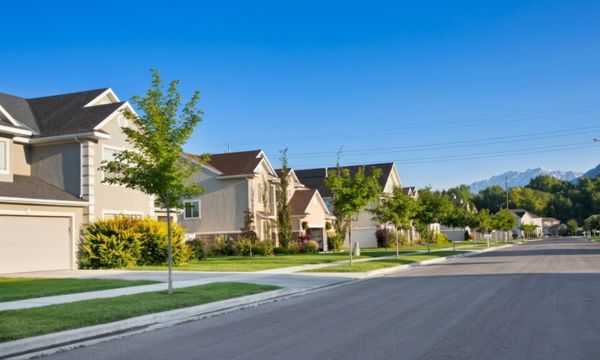
Safety is one of the most important factors when choosing a property and deserves careful attention.
During the house inspection, observe the movement on the street and the general behavior of the neighborhood.
Check if there is adequate public lighting, nearby businesses, and a consistent flow of people.
These elements help you better understand the level of safety and the dynamics of the area.
It is also worth researching the history of the neighborhood and listening to the experiences of current residents.
Talking to neighbors can reveal valuable information that you would not notice during a quick visit.
👉 Safety is not a detail, it should always be a priority in your decision.
Hidden Signs of Problems
Some subtle details can reveal a lot about the real condition of the property and should never be ignored.
Paying attention to these signs helps you avoid unpleasant surprises after purchase.
Here are some important warning signs:
- Wall stains that may indicate moisture or infiltration
- Strong odors or mold suggesting ventilation or plumbing issues
- Peeling paint that may hide structural damage or humidity
- Damaged baseboards indicating frequent contact with water
- Uneven floors that may point to structural movement
Observing these details during the house inspection makes your evaluation much more complete and reliable.
Apps like Home Inspector Pro can help you organize everything with practical checklists and detailed notes.
What to Evaluate Before Closing the Deal
After completing the house inspection, it is essential to gather all the information and analyze everything carefully.
At this stage, the ideal approach is to view the property in a more strategic way, without letting emotions take over.
A simple checklist can help ensure you don’t miss important points:
- Structural conditions are safe and show no major issues
- Electrical and plumbing systems work properly and do not require significant repairs
- Lighting and ventilation are suitable for everyday use
- Noise level matches your expectations and lifestyle
- Safety of the area feels reliable and consistent
- Future maintenance costs fit within your financial planning
With this type of analysis, you make a more conscious decision and significantly reduce risks when buying a property.
👉 Buying well is not just about choosing, it’s about evaluating carefully before closing the deal.
When you carry out a complete house inspection, your decision stops being impulsive and becomes strategic.
Every detail you analyze increases your confidence and gives you more security to move forward.
In the end, what you gain is not just a property, but the peace of mind of knowing you made a smart and well thoughtout choice.